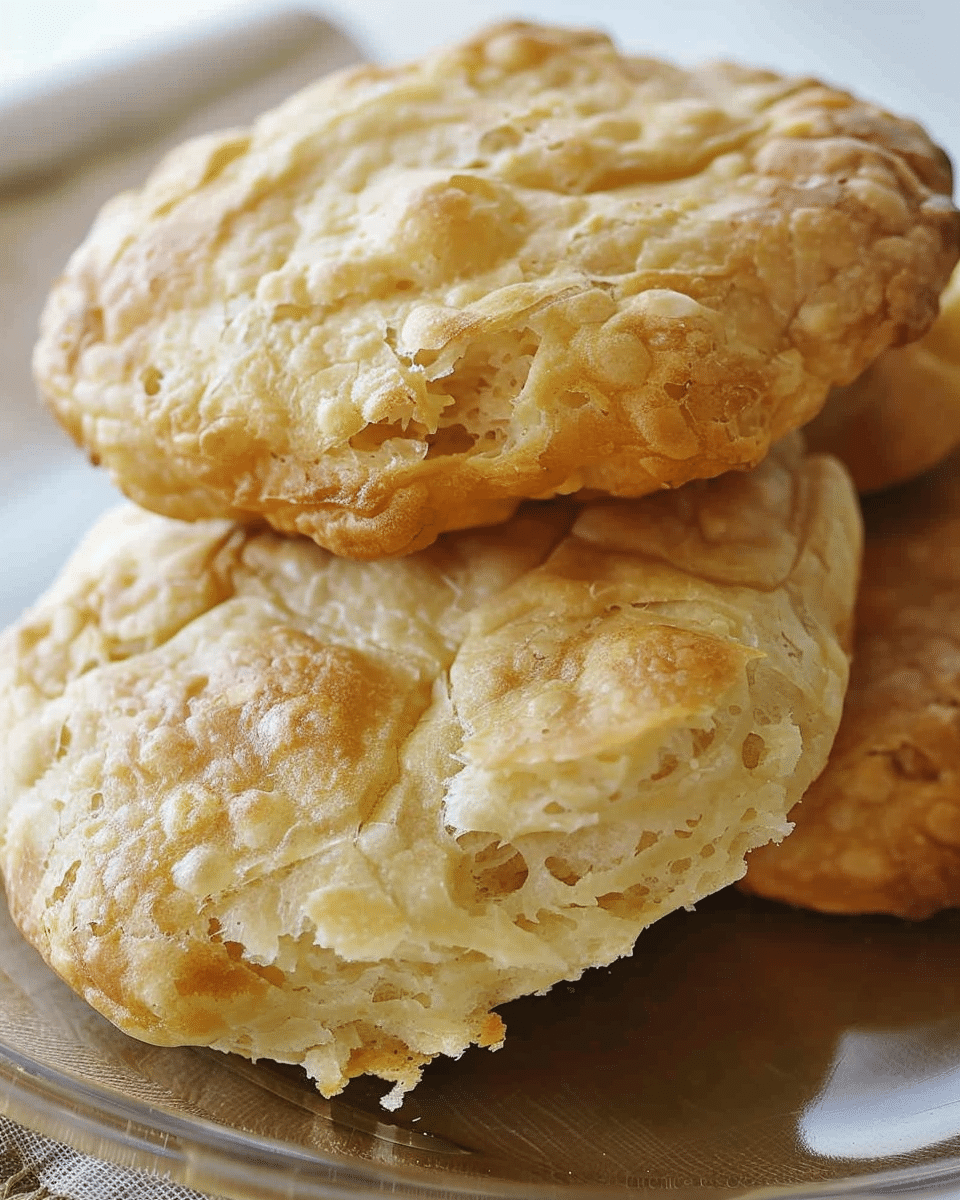
I like this recipe because it uses basic pantry ingredients and comes together in under 30 minutes. I enjoy how versatile bannock is, since I can serve it with hearty stews, simple sauces, or even just a drizzle of honey or jam. I also appreciate that it’s vegetarian and doesn’t require yeast or any long resting time.
Ingredients
(Here’s a tip: Check out the full list of ingredients and measurements in the recipe card below.)
2 cups all-purpose flour, plus extra for flouring 2 teaspoons baking powder 1/2 teaspoon salt 1 tablespoon unsalted butter, melted 3/4 cup water 4 cups vegetable oil for frying
Directions
I start by whisking the flour, baking powder, and salt together in a large bowl. I then whisk in the melted butter, followed by the water, mixing until a soft dough forms.
I heat the vegetable oil to 350°F in a deep pan. While the oil heats, I turn the dough out onto a lightly floured surface and knead it about 10 times until smooth. I divide the dough into 6 equal balls and flatten each one slightly to form disks.
I carefully place the dough into the hot oil and fry for about 5 minutes on each side, until both sides are golden brown. Once cooked, I transfer the bannock to a paper towel-lined plate and let it drain for about 2 minutes before serving.
Servings and timing
I get 6 bannock breads from this recipe. The prep time is about 15 minutes, and the cooking time is around 10 minutes, making the total time approximately 25 minutes.
Variations
I sometimes add a pinch of sugar to the dough when I want a slightly sweeter bannock. For a savory twist, I like mixing in herbs or a bit of garlic powder. When I want a lighter version, I occasionally pan-fry with less oil, though the traditional deep-fried method gives the best texture.
storage/reheating
I store leftover bannock in an airtight container at room temperature for up to one day or in the refrigerator for up to three days. To reheat, I warm it in a skillet over low heat or in the oven until heated through. I avoid microwaving when possible, since it can make the bread chewy.
FAQs
Can I bake bannock instead of frying it?
I can bake it, but the texture will be different. Frying gives the classic crispy exterior, while baking results in a drier, more bread-like finish.
What can I serve with bannock bread?
I like serving it with stews, soups, or savory sauces. I also enjoy it with honey, jam, or butter for a sweet option.
Can I use whole wheat flour?
I can substitute whole wheat flour, but the bannock will be denser. I sometimes mix half whole wheat and half all-purpose flour for better balance.
Is bannock best served hot or cold?
I think bannock is best served warm, right after frying, when the outside is crisp and the inside is soft.
Can I freeze bannock bread?
I can freeze cooked bannock after it cools completely. I reheat it in the oven to bring back some of the crispness.
Conclusion
I enjoy making Canadian bannock bread because it’s quick, comforting, and incredibly adaptable. Whether I serve it alongside a savory meal or enjoy it as a simple sweet treat, it always feels satisfying and homemade. This recipe is one I come back to whenever I want something warm and traditional without much effort.